 Fresh paint can give an HOA community a cleaner, more consistent appearance, but the coating is only one part of the system protecting each building. Exterior caulking helps close selected joints and gaps where water and air can reach vulnerable surfaces. When this step is handled correctly before repainting, the finished coating has a stronger foundation for reliable performance.
For HOA boards and property managers, those details are important across an entire community. A small failed joint on one building may seem minor, yet repeated gaps around windows, doors, trim, and wall penetrations can create widespread maintenance concerns. A coordinated caulking and painting plan helps protect the community’s appearance and its maintenance budget.
Why Joints and Gaps Affect Painted Surfaces
Exterior building materials move. Temperature changes, sun exposure, moisture, and normal building movement can open joints or cause old sealant to split and pull away. Once a gap forms, water may reach edges and substrates that the paint film was not designed to protect by itself.
That moisture can contribute to peeling, blistering, staining, or substrate damage near the opening. Applying new paint over a failed joint may hide the issue briefly, but it does not correct the path that allowed moisture behind the coating. Exterior caulking addresses appropriate gaps before the finish coats are applied.
Caulk also creates cleaner transitions at many visible connections. Neat joints around trim and penetrations help the new paint present a more uniform appearance across multiple buildings, which is especially valuable in communities with defined architectural standards.
Exterior Caulking Is Part of Proper Paint Preparation
Paint performance begins before the first finish coat goes on. A professional exterior assessment should identify loose paint, deteriorated substrates, failed sealant, open joints, and signs of moisture. Existing caulk that has cracked, separated, or hardened may need to be removed so the joint can be cleaned and prepared.
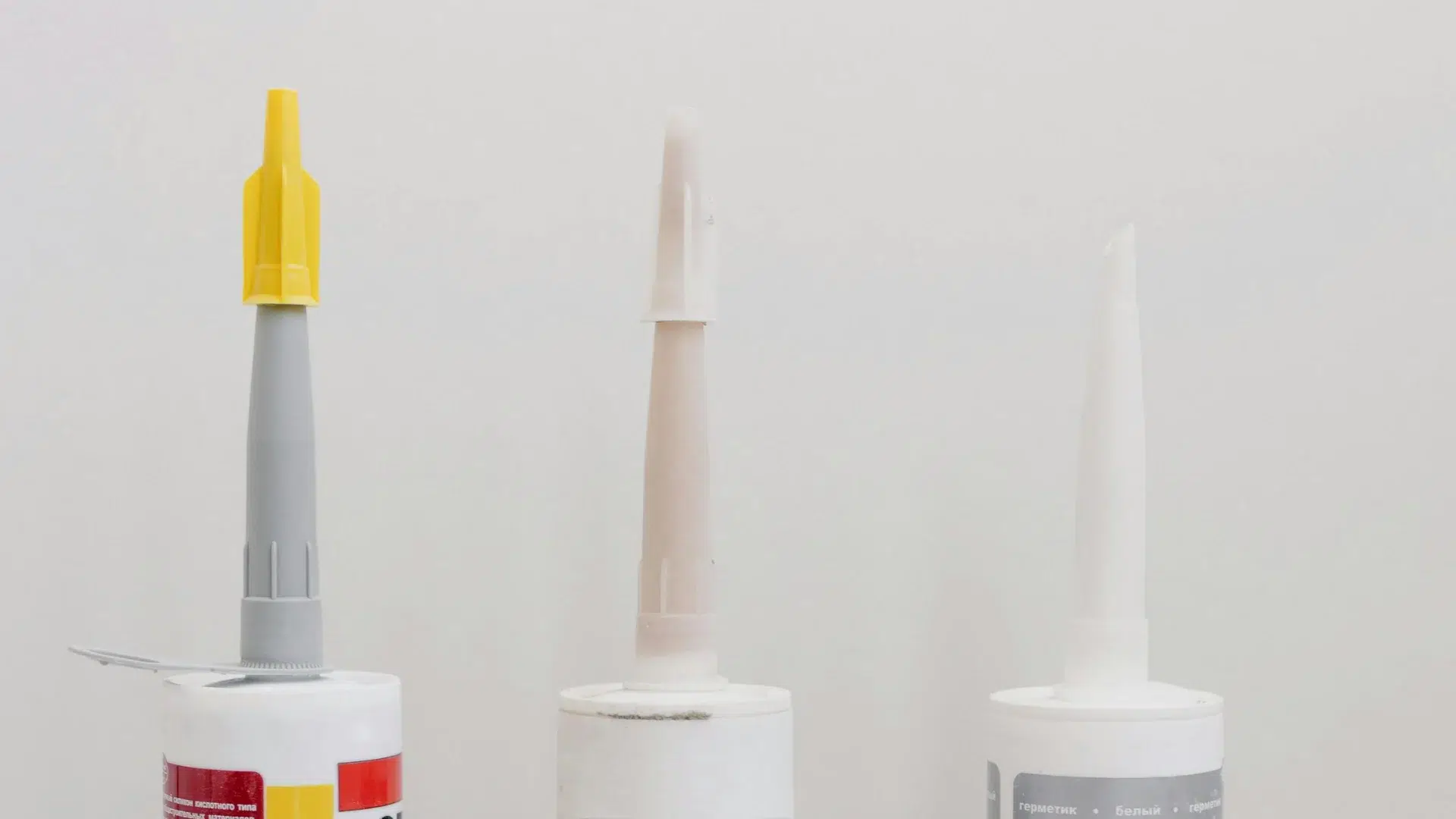
New exterior caulking should be compatible with the substrate, expected joint movement, exposure conditions, and coating system. Paintability also needs to be considered. Some sealants are designed to accept coatings, while others can create adhesion or appearance problems when painted.
Joint design is just as important as product selection. Wider or deeper openings may require a backer rod to support the proper sealant profile. The applied bead also needs full contact with the joint edges. These details allow the sealant to flex more effectively as connected materials expand and contract.
Not Every Exterior Opening Should Be Sealed
More caulk is not always better. Some gaps are intentional parts of a building’s drainage or ventilation system. Sealing weep holes, drainage paths, or other designed openings can trap moisture inside an assembly and lead to costly repairs.
Cracks may also point to a larger condition that exterior caulking cannot solve. Recurring movement, deteriorated wood, damaged stucco, failed flashing, or masonry displacement should be evaluated and repaired at the source. Caulk is useful for suitable joints, but it is not a substitute for correcting damaged building components.
This is why a community-wide inspection is valuable before the scope is finalized. It allows the contractor and HOA representatives to distinguish routine sealant replacement from areas that need added repair or specialist review.
How Caulking Supports HOA Maintenance Planning
HOA repainting often involves occupied homes, shared spaces, multiple elevations, and firm community standards. Adding exterior caulking to the preparation plan helps the board understand which joints will be addressed, how repairs will be documented, and where additional work may be needed.
A consistent scope also reduces variation from building to building. Crews can follow the same inspection and preparation process across the property, helping trim lines, penetrations, and transitions present a unified finish. Clear sequencing keeps surface repairs, sealant application, cure times, primer, and paint aligned.
Exterior caulking should remain part of later maintenance inspections as well. Sealants often wear at a different rate than adjacent wall materials. Periodic checks can find small separations or cracks before they spread and affect nearby coatings.
Protect the Full Coating System
At Unforgettable Coatings, we approach HOA repainting as a protective coating system, not a quick color change. Our team works with HOA boards and property managers to plan large-scale exterior projects, communicate clearly, and reduce disruption for residents across Nevada, Utah, and Arizona.
Careful preparation, suitable exterior caulking, and properly applied coatings work together to support a polished, durable result. Contact our team to discuss your community’s exterior condition and build a repaint plan around its surfaces, schedule, and long-term priorities.
Frequently Asked Questions
Should exterior caulking be completed before painting an HOA building?
Yes. Suitable joints should be inspected, cleaned, repaired, and given the required cure time before primer or finish paint is applied. The exact sequence depends on the substrate, sealant, and coating specifications.
How can an HOA tell that old caulk is failing?
Common signs include cracks, gaps, hardened beads, missing sections, or sealant pulling away from one side of a joint. Peeling paint or staining near a joint can also signal that closer inspection is needed.
Can every exterior crack be repaired with caulk?
No. Some openings are designed for drainage or airflow, and some cracks indicate substrate damage or structural movement. A qualified assessment should identify the cause and the right repair before painting begins.
How often should exterior caulking be inspected?
HOA buildings should have sealant joints reviewed as part of routine exterior maintenance and before a major repaint. Exposure, movement, substrate type, and the installed product all influence how soon service may be needed.

Cory Summerhays, the Founder and CEO of Unforgettable Coatings, Inc., is more than just a business leader; he’s a relationship builder at heart, deeply committed to making a positive impact on the lives of those around him. While paint is his trade, his true passion lies in creating meaningful connections and fostering an environment of gratitude, compassion, and trust. With his family as his primary source of joy and a team that feels more like a community, Cory has built a company that goes beyond just coatings, aiming to leave a lasting, positive mark on everyone it touches.